
What is Chikungunya?
Chikungunya is a viral infection spread through the bite of infected mosquitoes, mainly Aedes aegypti and Aedes albopictus. The infection commonly increases during monsoon and post-monsoon seasons due to stagnant water and mosquito breeding. Chikungunya mainly causes high fever and severe joint pain, which can sometimes continue for weeks or months.
Although most patients recover completely, early diagnosis and proper medical care are important to avoid complications and prolonged discomfort.
Chikungunya Symptoms
Symptoms of chikungunya usually appear within 3 to 7 days after being bitten by an infected mosquito.
Common Symptoms Include:
- Sudden high fever
- Severe joint pain
- Joint swelling
- Muscle pain
- Headache
- Fatigue and weakness
- Skin rashes
- Nausea
- Eye pain
One of the major signs of chikungunya is intense joint pain, especially in the wrists, knees, ankles, and fingers. In some individuals, joint stiffness and pain may persist even after recovery from fever.
Causes of Chikungunya
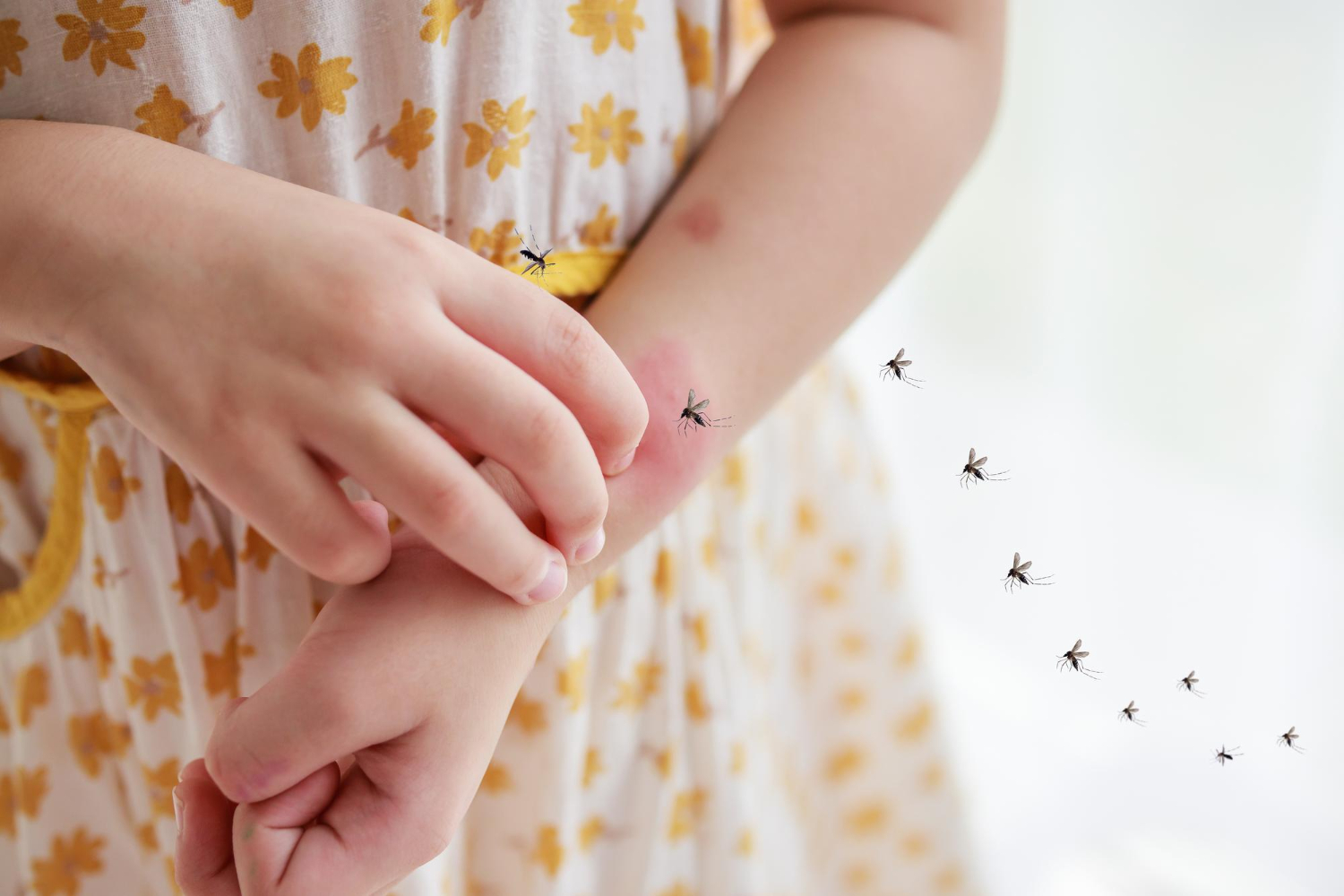
Chikungunya is caused by the chikungunya virus and spreads through mosquito bites. It does not spread directly from one person to another.
How the Infection Spreads
- A mosquito bites an infected person.
- The mosquito becomes infected with the virus.
- The infected mosquito bites another person.
- The virus spreads to the new individual.
Mosquitoes that spread chikungunya are usually active during daytime, particularly in the early morning and late afternoon.
Difference Between Dengue and Chikungunya
Many people confuse chikungunya with dengue because both are mosquito-borne viral infections with similar symptoms.
Feature |
Chikungunya |
Dengue |
| Fever | High fever | High fever |
| Joint Pain | Severe | Mild to moderate |
| Platelet Count | Usually normal | Often decreases |
| Bleeding Risk | Rare | Higher in severe cases |
| Weakness | Moderate | Severe |
Chikungunya Diagnosis
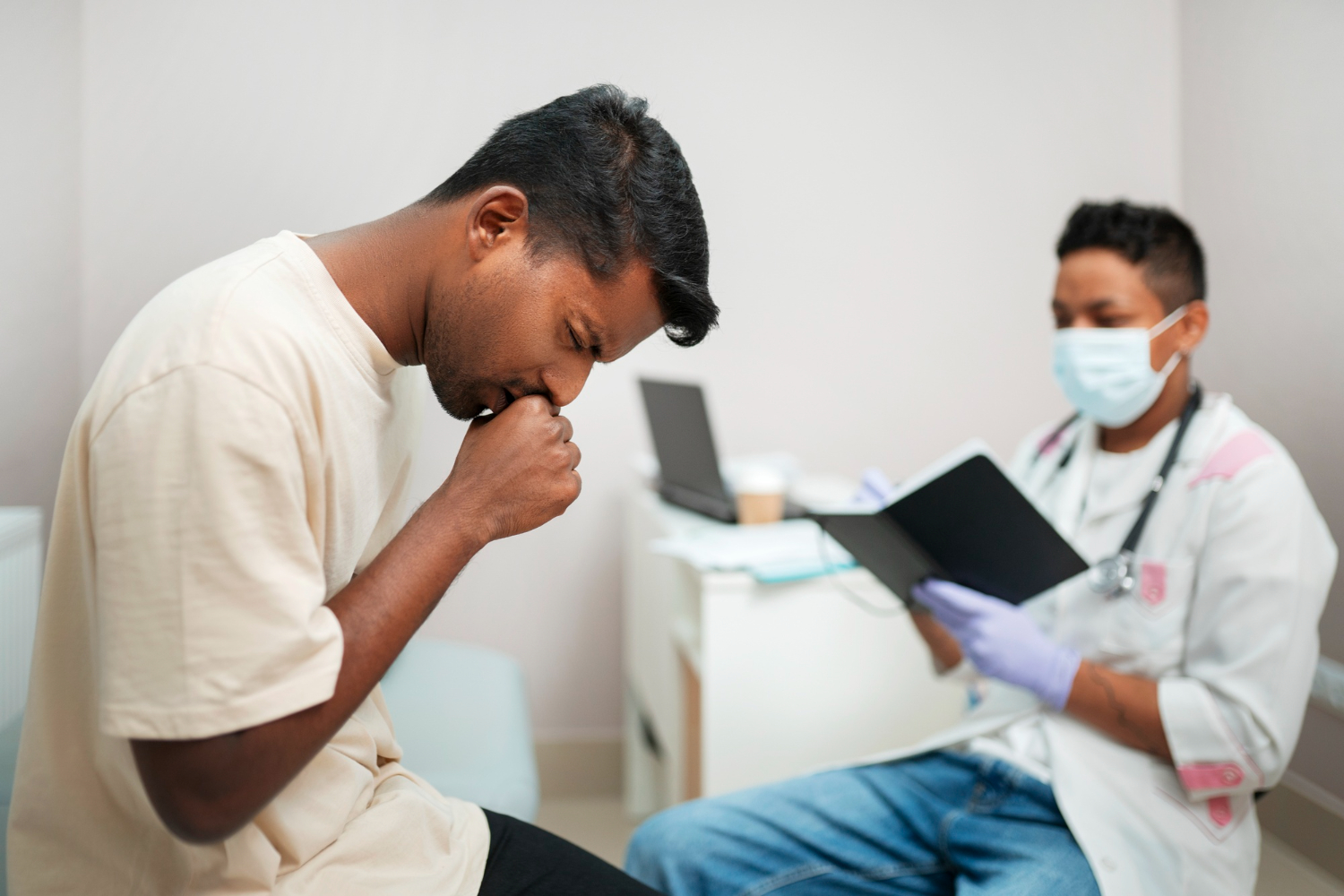
Doctors diagnose chikungunya based on symptoms, physical examination, and laboratory investigations.
Common Diagnostic Tests
- Blood tests
- Complete Blood Count (CBC)
- RT-PCR test
- Antibody testing
Early diagnosis helps differentiate chikungunya from dengue, viral fever, and other mosquito-borne illnesses.
Chikungunya Treatment
There is no specific antiviral medication for chikungunya. Treatment mainly focuses on relieving symptoms and improving recovery.
Treatment Includes:
- Adequate rest
- Drinking plenty of fluids
- Fever control medications
- Pain relief medicines
- Proper nutrition
- Monitoring symptoms regularly
Patients should avoid self-medication and consult a doctor for proper treatment advice.
Home Care Tips During Chikungunya
Tips for Faster Recovery
- Stay hydrated
- Take complete rest
- Eat healthy and nutritious food
- Avoid oily and junk food
- Follow medications regularly
- Use mosquito protection measures
Joint pain may take time to reduce, especially in elderly individuals and patients with existing joint problems.
How to Prevent Chikungunya
Preventing mosquito bites is the best way to reduce the risk of chikungunya infection.
Prevention Tips
- Avoid stagnant water around your surroundings
- Use mosquito repellents
- Wear full-sleeved clothing
- Use mosquito nets
- Keep water containers covered
- Maintain cleanliness around home and workplace
- Install window screens if possible
Community awareness and hygiene are essential to control mosquito breeding.
When Should You Consult a Doctor?
Seek immediate medical attention if you experience:
- Persistent high fever
- Severe joint swelling
- Continuous vomiting
- Difficulty breathing
- Excessive weakness
- Symptoms lasting more than a few days
Early treatment helps prevent complications and supports quicker recovery.

Frequently Asked Questions (FAQs)
Is chikungunya contagious?
No, chikungunya does not spread directly from person to person. It spreads through mosquito bites.
How long does chikungunya fever last?
The fever usually lasts for 2 to 5 days, but joint pain may continue for several weeks.
Can chikungunya be dangerous?
Most patients recover fully, but prolonged joint pain and weakness can occur in some cases.
What foods should be taken during chikungunya?
Hydrating fluids, fruits, vegetables, soups, and protein-rich foods are beneficial during recovery.
Can chikungunya happen again?
Most individuals develop long-term immunity after infection.